Oahu
How Long Does PVC Plumbing Last? What Big Island Homeowners Should Really Expect
 24/7 Emergency Plumbing Services
 Proudly Serving Oahu • Maui • Big Island
 Licensed, Insured & Backed By Aloha
 Same-Day Service
Honest Pricing
Quality Work
100% Satisfaction Guarantee
Oahu
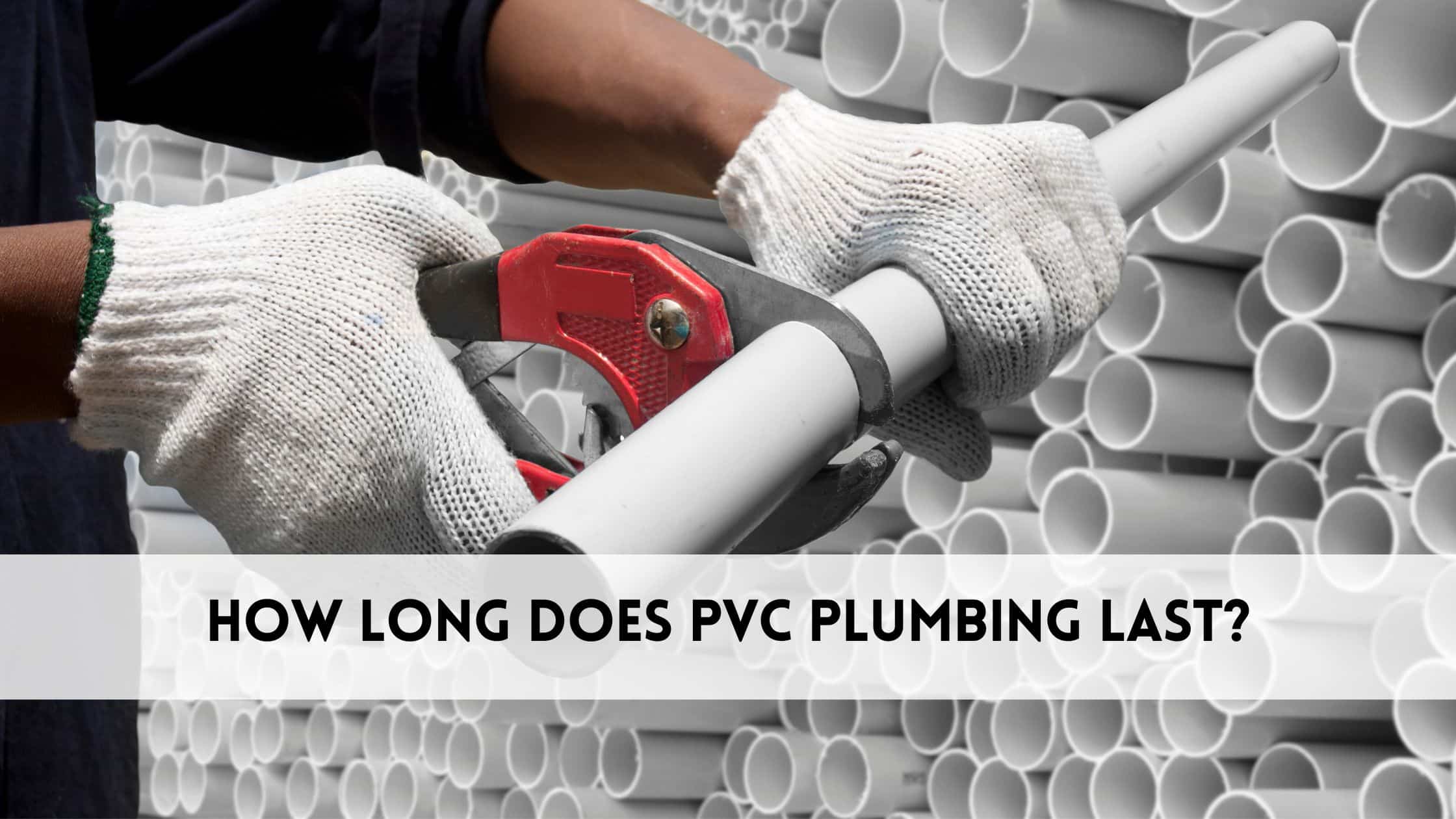
PVC plumbing can last from 50 to over 100 years, but this depends on where the pipe is installed and how exposed it is over time. Interior drain lines and cold water supply pipes often last decades, while exterior PVC exposed to Hawaii’s intense sun or poorly supported underground piping can fail sooner. The best way to estimate remaining life is to consider the pipe’s condition, installation quality, and environment rather than its age alone.
Wondering how long PVC plumbing lasts when planning a remodel or buying an older home? You have probably seen claims that PVC lasts a century. While that is not wrong, it is not the whole story. Not every PVC pipe experiences the same conditions, and plumbers rarely decide to replace it based on age alone.
In our years serving Big Island homeowners, we have found that how and where the pipe is installed matters far more than the manufacturing date.
PVC, or polyvinyl chloride, is a rigid plastic piping material commonly used for drain, waste, vent, irrigation, and cold water supply systems. Its durability comes from its resistance to corrosion, rust, and most common water chemistry that gradually damages metal piping.
The often quoted lifespan of 50 to 100 years is a broad estimate rather than a guarantee. Pipes installed indoors, protected from sunlight, heat, and physical stress, generally last much longer than those exposed to harsh outdoor conditions.
A plumber evaluating an older PVC system is usually less concerned with the pipe’s age than its condition. Cracks around fittings, discoloration, brittle sections, movement in the piping, and poor installation often reveal more about remaining service life than the installation date.
| Application | Typical lifespan | What shortens it |
|---|---|---|
| Interior cold water supply | 50 to 100+ years | Improper installation, excessive pressure, poor fittings |
| Drain, waste and vent (DWV) piping | 75 to 100+ years | Structural movement, poor support, impact damage |
| Underground irrigation | 40 to 75+ years | Shifting soil, root intrusion, heavy equipment |
| Exterior exposed PVC | Often significantly shorter | Ultraviolet sunlight and weather exposure |
No two plumbing systems age the same. A properly installed indoor PVC drain line can outlast several generations of fixtures, while an exterior pipe exposed to Hawaii’s year-round sun may require replacement much earlier.
Homeowners often assume water flowing through the pipe causes wear. In reality, most PVC failures occur due to external forces, not water passing through the pipe over many years.
Industry research shows that ultraviolet radiation from the sun gradually degrades the outer surface of standard PVC pipe. Over time, the material loses flexibility and becomes brittle.
This is a common issue on exterior plumbing around the Big Island. Pipes serving irrigation systems, pool equipment, and outdoor plumbing left uncovered year after year age much faster than identical piping installed inside walls or underground.
Discoloration alone does not always mean replacement is necessary, but chalky surfaces, cracking, or pieces breaking away during maintenance usually indicate the material has begun to deteriorate.
Proper pipe support plays a major role in long-term performance. Unsupported PVC gradually sags under its own weight, especially horizontal drain piping carrying wastewater. This creates stress at fittings and joints where leaks commonly develop over time.
Poor installation practices that shorten PVC life include:
The Hawaii State Plumbing Code requires professional installation of plumbing pipes.
A solvent weld joint is the chemical bond formed when PVC primer and cement permanently fuse two pipe sections. When performed correctly, the joint is often as strong as the pipe itself.
Unlike copper, PVC has very little flexibility. Although it handles normal operating pressure well, significant soil movement directly stresses the pipe and fittings.
On the Big Island, varying soil conditions, heavy rainfall, settling, and occasional ground movement can all place additional stress on underground plumbing systems over time. In many cases the pipe itself remains intact while fittings or glued joints become the weak point.
Professional inspections often focus on these connection points first because they usually show signs of stress before straight pipe sections do.
PVC performs well with cold water but has temperature limitations. It should never be used where continuous high temperatures exceed its design limits. Heat can soften the material, weaken joints, and shorten overall service life.
Mechanical damage is another overlooked factor. We have replaced PVC that should have lasted decades but failed early because it was struck repeatedly during landscaping, exposed to lawn equipment, or drilled into during remodeling. These failures are not age-related but accidental damage that weakens the pipe until leaks appear.
PVC rarely fails suddenly. Instead, it usually develops subtle symptoms that become easier to recognize during routine plumbing inspections. Watch for:
One isolated leak does not mean the entire system has reached the end of its life. However, when multiple sections show similar signs of deterioration, a licensed plumber should evaluate whether repairs remain practical or replacement offers better long-term value.
One leaking PVC fitting does not mean your entire plumbing system needs replacement. In most cases, isolated damage can be repaired if the surrounding pipe is in good condition. Replacement is preferable when deterioration is widespread, the piping is brittle, or recurring leaks indicate the system is nearing the end of its service life.
A licensed plumber looks beyond the visible leak. During inspection, they evaluate nearby pipe, fittings, supports, and joints to determine if the problem is localized or part of a larger pattern.
| Situation | Usual approach |
|---|---|
| One cracked fitting | Repair |
| Minor damage from accidental impact | Repair |
| One leaking glued joint | Repair |
| Multiple leaks appearing over time | Replacement |
| Brittle pipe throughout the system | Replacement |
| UV damaged exterior piping with cracking | Replacement |
| Poorly installed piping causing repeated failures | Replacement |
| Remodeling that requires extensive plumbing changes | Replacement |
One repair often restores years of reliable service when the system remains sound. However, repeatedly repairing aging sections can become more expensive than replacing them once deterioration is widespread.
One reason PVC has remained a popular plumbing material for decades is its resistance to problems that commonly affect metal piping.
The Plastic Pipe and Fittings Association reports that properly manufactured and correctly installed PVC piping has demonstrated excellent long-term performance in potable water and drainage applications under normal operating conditions.
Still, “maintenance-free” does not mean “inspection-free.” In our years serving Big Island homeowners, we have found periodic inspections often catch loose supports, deteriorating fittings, or accidental damage long before they become expensive plumbing emergencies.
Not long ago, homeowner Ronnie Loeffler wanted confidence that his plumbing was done the right way, using durable materials that would provide reliable performance for years. Our team evaluated the plumbing, explained the options, and completed the work using proven installation practices and quality materials designed for long-term reliability. As Ronnie shared:
“Great customer service! All Aloha Plumbing was professional from start to finish . Very knowledgeable buisness with high quality innovative materials and practices.”
The right materials only perform as well as they are installed. Proper support, quality fittings, and careful work help PVC plumbing achieve the long service life it can deliver. Read Ronnie’s full Google review.
At All Aloha Plumbing and Drain Cleaning, we do not recommend replacing PVC plumbing just because it is old. We evaluate its actual condition first.
If repiping is the right solution, we will explain why, discuss your options, and complete the work using proven installation practices designed for decades of dependable performance. If the problem requires only a localized repair, we will tell you that too. Our goal is to recommend the solution that makes the most sense for your home.
If you notice recurring leaks or brittle PVC, or you are planning a renovation, schedule a professional plumbing inspection today.
Can PVC plumbing last longer than 100 years?
It can under ideal conditions. Interior PVC that is properly installed, protected from sunlight, and operated within design limits may remain serviceable for over 100 years. However, no plumber can guarantee a specific lifespan because installation quality, environmental exposure, and physical damage influence how long the piping lasts.
Does exposed PVC need to be replaced sooner?
Usually, yes. Continuous ultraviolet exposure breaks down standard PVC, making it more brittle over time. Pipes used for irrigation, pool equipment, or other outdoor applications age faster than identical pipes installed inside walls or underground. Protective coverings or approved UV-resistant coatings can help extend service life.
How can I tell if my PVC plumbing is becoming brittle?
Small cracks around fittings, chalky surfaces, recurring leaks, and pieces breaking away during repairs often indicate the material has become brittle. A licensed plumber can inspect the system and determine whether deterioration is limited to one section or affects a larger portion of the plumbing.
Is one PVC leak a sign that I need to repipe my house?
Not necessarily. Most isolated leaks can be repaired successfully if the surrounding pipe remains in good condition. Repiping becomes worth considering when multiple leaks develop over time, repairs become frequent, or the piping shows widespread deterioration that makes future failures likely.
What is the biggest factor that shortens PVC plumbing life?
In our experience, poor installation and environmental exposure shorten PVC life more often than age itself. Ultraviolet sunlight, shifting soil, missing pipe supports, excessive heat, and mechanical damage all place stress on the system. Proper installation and periodic inspections usually have a greater impact on longevity than the pipe’s manufacturing date.


Don't let a plumbing problem ruin your day. Our local crews are standing by across all three islands, same-day service, upfront pricing, and quality work guaranteed.

2,400+ Reviews

& Insured

Available

Satisfaction

OR

 Average response across all three islands: under 30 minutes
Licensed · Insured · Backed by Aloha