


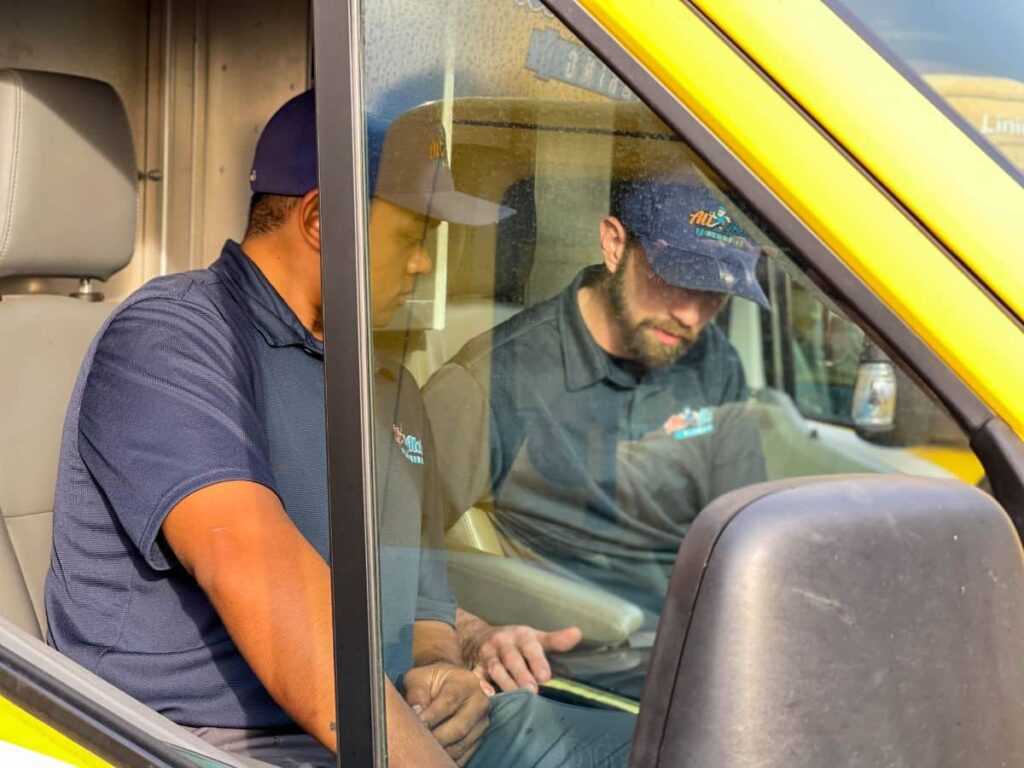
Plumbing emergencies rarely wait for business hours in East Hawaiʻi, and when they strike, damage can spread fast. In humid, coastal conditions, leaks and burst pipes escalate quickly, allowing moisture to soak into walls, floors, and foundations and creating the perfect environment for mold within hours. When plumbing emergencies occur, response time matters.
Acting quickly helps protect your property, limit water waste, and reduce costly repairs. Understanding how these situations develop and when to involve professional help is key to keeping your home safe and your plumbing system under control.
5 Common Plumbing Emergencies in Hilo Homes
Safe, reliable plumbing is essential for Hilo households. Many local homes face added risk due to older piping materials, frequent rainfall, mineral-rich water, and constant moisture exposure. Small failures escalate faster in this environment than in drier regions, especially when leaks go unnoticed. Hawaiʻi places a strong emphasis on water conservation, meaning uncontrolled leaks waste both water and money. According to state planning data, “system losses place increasing strain on island infrastructure.” (Source: Hawaiʻi Water Plan)
Burst Pipes
Burst pipes are one of the most destructive plumbing emergencies in Hilo. Aging galvanized pipes, internal corrosion from mineral buildup, soil movement, and heavy rainfall infiltration all increase the risk of failure. When pressure builds behind weakened pipe walls, ruptures can occur suddenly.
What to do immediately
- Shut off the main water valve to stop active flow.
- Open nearby faucets to relieve trapped pressure.
- Contain water using towels, buckets, or a temporary pipe repair tape.
- Move electronics, furniture, and valuables away from the leak.
Fast action matters. In one real situation, a homeowner was able to limit structural damage because the water supply was shut off immediately before our team arrived, allowing repairs to stay localized and code-compliant under Hawaiʻi Plumbing Code requirements.
Overflowing Toilets
Overflowing toilets often stem from sewer line blockages, tree root intrusion common in tropical landscapes, excessive paper use, or malfunctioning fill valves. Wastewater exposure presents sanitation risks and should always be treated carefully. According to the CDC, “contact with untreated wastewater increases the risk of bacterial exposure and illness.” (Source: CDC Sanitation Emergency Response)
What to do immediately
- Turn off the toilet’s shutoff valve behind the fixture.
- Lift the float to stop the tank from refilling.
- Use a plunger only if the water is clean and uncontaminated.
- Keep children and pets away from affected areas.
Clear communication helps in these moments. Helga W. from Lahaina shared in her Yelp review how our team responded early in the morning, carefully diagnosed a leaking bathtub drain assembly, explained the issue clearly, and completed the repair the same day, helping her avoid having to leave her home overnight.
She noted the technician’s patience, clear explanations, upfront pricing, and attention to protecting the rest of the home during repairs.
Water Heater Leaks
Water heater leaks are especially common in Hawaiʻi due to accelerated tank corrosion, pressure fluctuations, and aging units. Leaks may originate from deteriorated tanks, loose drain valves, or failing pressure relief components. Left unaddressed, they can damage flooring, walls, and nearby electrical systems.
What to do immediately
- Shut off the cold-water supply to the heater
- Turn off the electrical breaker or gas supply, following safety guidelines
- Move stored items away from the unit
- Ventilate the area to reduce moisture buildup and mold risk
Clear diagnosis is critical here. Shawn P. from Wailuku described in his Yelp review how our technician, Ben, responded promptly to a steaming, leaking water heater, diagnosed the issue thoroughly, and explained how the system worked before replacement. Shawn later noted that the installation was completed efficiently and double-checked for safety, sharing that he was “so happy with the service” weeks later.
Clogged Drains and Sewer Backups
Hilo’s environment contributes heavily to drainage issues. Tropical plant debris, grease buildup, sediment, and aging sewer lines often combine to restrict flow. When multiple fixtures are affected, the issue may extend beyond a simple clog.
What to do immediately
- Use a drain snake only if the blockage is accessible.
- Avoid chemical drain cleaners, which can damage pipes and pose safety risks.
- Stop using water throughout the home if backups spread across fixtures.
Wastewater backups pose health hazards and should be addressed quickly by an emergency plumbing service to prevent contamination and structural damage.
Major Leaks Under Sinks or Appliances
Leaks beneath sinks, dishwashers, or washing machines spread quickly in Hawaiʻi’s humidity. Cabinets, drywall, and flooring can absorb moisture rapidly, leading to swelling, warping, and mold growth.
What to do immediately
- Shut off the local shutoff valve or appliance supply
- Place pans or towels to catch dripping water
- Use a wet/dry vacuum if available
- Increase airflow to limit moisture retention
Why You Shouldn’t Ignore Emergency Plumbing Repairs
Delaying emergency plumbing repairs almost always leads to higher costs and greater risk. According to FEMA, “just one inch of standing water can cause up to $25,000 in damage to a home.” (Source: FEMA Flood Damage Guide)
Mold can begin forming within twenty-four to forty-eight hours in damp conditions, a major concern in Hilo’s climate. Structural deterioration caused by leaks can also place homes out of compliance with Hawaiʻi building and plumbing requirements.
Emergency plumbing costs increase when small failures escalate into full system replacements. That is why keeping a 24/7 emergency plumber saved in your phone matters. Regular inspections and service agreements help detect vulnerabilities early and reduce the likelihood of middle-of-the-night emergencies. Hawaiʻi law also requires plumbing work to be performed by licensed, bonded, and insured professionals, protecting homeowners from liability and unsafe repairs.
From Faucets to Full Flushes: Your Total Plumbing Solution in Hilo
We are proud to serve Hilo homeowners with urgency, clarity, and respect. All Aloha Plumbing Big Island provides licensed, trained, and 24-hour emergency plumbing services designed for Hawaiʻi’s unique conditions. Our team responds with the right tools, clear explanations, and a focus on long-term reliability. Preventive service agreements help reduce emergency plumbing repairs and unexpected costs.
We offer same-day and weekend availability, clear communication, and solutions designed to last. For trusted help from an emergency local plumber, call us at (808) 515-7488 or request service online.
Learn more about our service history, values, and commitment to Hawaii homeowners.
FAQs
What qualifies as a plumbing emergency?
Any issue that risks water damage, sanitation hazards, or system failure, such as burst pipes, sewer backups, or water heater leaks.
Should I attempt repairs before the plumber arrives?
Only basic safety steps, like shutting off water or power. Avoid invasive repairs that could worsen damage.
How fast can an emergency plumber respond in Hilo?
Response times vary, but 24/7 emergency plumbing services are designed to address urgent issues as quickly as possible.
Do emergency plumbing repairs cost more?
Emergency service may carry higher rates, but early action often reduces total repair costs by preventing escalation.
Can maintenance prevent plumbing emergencies?
Yes. Regular inspections and service agreements significantly reduce the risk of unexpected failures.