

Puunene homes rely heavily on gas for everyday comfort. From cooking and water heating to dryers and backup generators, gas systems quietly power daily life across the island. That convenience also carries significant risk. Gas line safety is not optional in Hawaii’s climate, construction styles, or regulatory environment. Even a small mistake can lead to gas leaks, fires, explosions, or carbon monoxide exposure.
Many homeowners assume gas repairs are simple fixes, similar to water or drain work. They are not. Gas systems are regulated life-safety systems that require licensed professionals, specialized tools, and strict code compliance. Treating gas work as a DIY project puts people, property, and entire neighborhoods at risk.
Gas Line Safety: The Foundation of a Safe Puunene Home
Residential and commercial gas systems deliver fuel under controlled pressure from the meter to appliances throughout the property. In Puunene, gas commonly supplies ranges, ovens, water heaters, dryers, pool heaters, and standby generators. Every connection, valve, and fitting must maintain precise pressure balance and airtight seals.
Even minor errors can have catastrophic consequences. Gas-related fires and explosions cause thousands of structural fires and hundreds of injuries nationwide each year. According to the U.S. Pipeline and Hazardous Materials Safety Administration, “gas pipeline incidents regularly result in injuries, fatalities, and property damage.” (Source: PHMSA Pipeline Safety & Property Damage Data)
Carbon monoxide exposure adds another layer of risk when gas systems are improperly installed or repaired. The Centers for Disease Control and Prevention (CDC) states that, “carbon monoxide is an odorless, colorless gas that can cause sudden illness or death when fuel-burning appliances malfunction or vent improperly.” Faulty gas connections, poor combustion, or damaged venting can allow CO to accumulate indoors without warning. (Source: CDC – Carbon Monoxide Poisoning)
That is why gas systems are governed by strict codes, including the International Fuel Gas Code and the Hawaii State Plumbing Code. Only licensed technicians are legally permitted to modify or repair gas lines. When it comes to gas, safety is not optional.
Natural Gas Line Safety vs. DIY Repairs: Why “Quick Fixes” Turn Dangerous
Gas lines are fundamentally different from water or drain plumbing. Gas operates under constant pressure, requires precise sizing, and demands leak-proof connections. Common DIY mistakes include incorrect pipe sizing, using non-approved sealants, cross-threading fittings, over-tightening joints, and installing materials not rated for gas service.
These errors often lead to slow leaks that go unnoticed, pressure imbalances that damage appliances, or combustion issues that produce carbon monoxide. Many gas leaks are not immediately detectable by smell, especially in enclosed or ventilated spaces. DIY repairs also violate manufacturer installation requirements and can void appliance warranties and homeowners insurance coverage.
Professional gas technicians in Hawaii undergo licensing, certification, and continuing education to stay compliant with code updates and safety standards. That training is not optional. It is the difference between a safe system and a dangerous one.
The Role of Gas Line Safety Valves, Shut-Offs, and Advanced Safety Technology
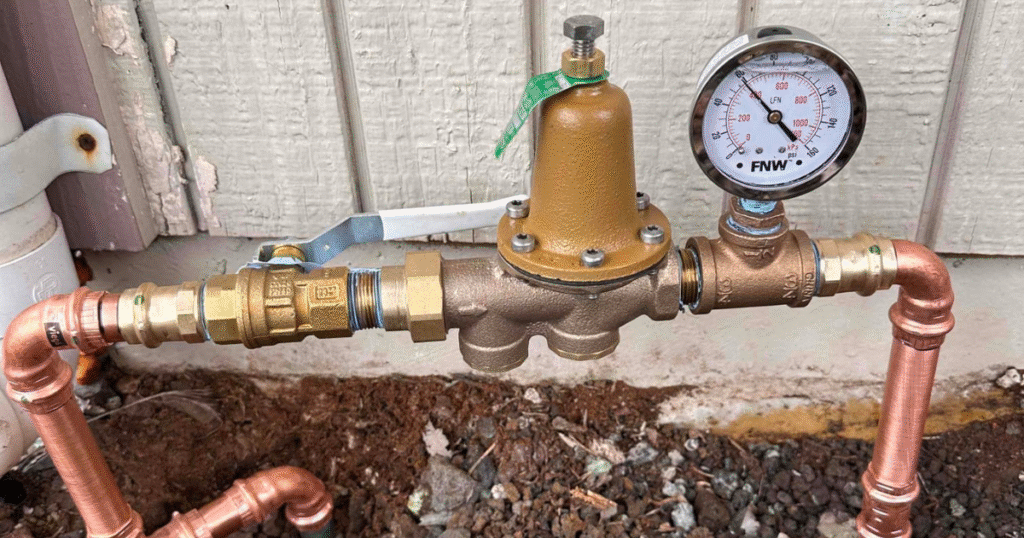
A gas line safety valve controls the flow of gas and allows the system to be shut down quickly during emergencies. Manual shut-off valves are required near appliances, while automatic safety devices add another layer of protection.
Automatic seismic shut-off valves and excess flow valves can stop gas flow if abnormal movement or sudden pressure changes occur. These technologies are especially relevant in Hawaii, where earthquakes, storms, and aging infrastructure increase risk. Smart gas monitoring systems and leak detection sensors can also alert homeowners to problems before they escalate.
Upgrades are often recommended for older homes, remodels, or appliance replacements. Installation and testing must always be performed by licensed professionals to ensure accuracy, reliability, and code compliance.
Real-World Gas Line Safety in Action
In a Yelp review, Jason Q. shared his experience working with All Aloha Plumbing during a gas installation concern. He described how the team responded quickly and communicated clearly from the first phone call. Jason noted that Clayton, one of All Aloha Plumbing’s technicians, walked him through what needed to be done, explained safety considerations, and offered honest options without pressure.
Jason emphasized that the technician demonstrated strong knowledge of gas installation and treated safety as the top priority. He specifically mentioned, “I felt that he knew what he was doing and wouldn’t mess around when it comes to safety. Especially with gas installation.”
Gas Line Safety Tips Every Puunene Homeowner Should Follow
- Never attempt DIY gas repairs. If you are not licensed, touching a gas line puts you, your family, and your property at serious risk.
- Schedule routine professional inspections. We recommend periodic gas line checks, especially after renovations, appliance changes, or if your home is older.
- Know the smell of gas and how to respond. If you smell gas, do not ignore it.
- Keep gas shut-off valves accessible. You should always know where they are and ensure nothing blocks them.
- Protect gas lines from corrosion and moisture. Hawaii’s humidity can accelerate deterioration if lines are not properly installed or maintained.
- Upgrade aging gas lines and connectors. Older materials are more prone to leaks and failure.
- Call a licensed plumber or a gas safety advice line immediately if you are unsure. Guessing is never safe with gas.
If you smell gas or suspect a leak, evacuate immediately and call emergency services. Once the area is safe, contact licensed professionals to inspect and repair the system correctly.
Expert Plumbing and Gas Solutions Keeping Puunene Homes Safe
All Aloha Plumbing provides licensed gas line services for residential and commercial properties across Puunene. As qualified gas line safety inspectors, our team handles inspections, repairs, prevention devices, and code-compliant installations with precision and care.
Why Choose All Aloha Plumbing for Gas Line Prevention in Puunene:
We maintain compliance logs, assist with required paperwork, and schedule future testing reminders so nothing gets overlooked. We offer 24/7 emergency service when safety cannot wait. Our all-inclusive service agreements make ongoing maintenance simple and predictable.
We believe in honesty, transparency, and homeowner education. If you have questions or concerns about gas line safety, speak directly with local experts who understand Puunene homes. Call us at (808) 646-3023 or request service. Learn more about our company’s history and values.
FAQs
Is it illegal to repair a gas line yourself in Puunene?
Yes. Gas line work must be performed by licensed professionals under the Hawaii plumbing and fuel gas codes.
What are the early signs of a gas leak?
Common signs include sulfur-like odors, hissing sounds, dead vegetation near lines, or appliance malfunctions.
How often should gas lines be inspected?
Inspections are recommended during appliance replacements, remodels, or every few years for older systems.
Do gas safety valves really make a difference?
Yes. Automatic and excess flow valves can significantly reduce damage during leaks or system failures.
Should I call emergency services for any gas smell?
Yes. Evacuate immediately and contact emergency services before calling a licensed plumber.