

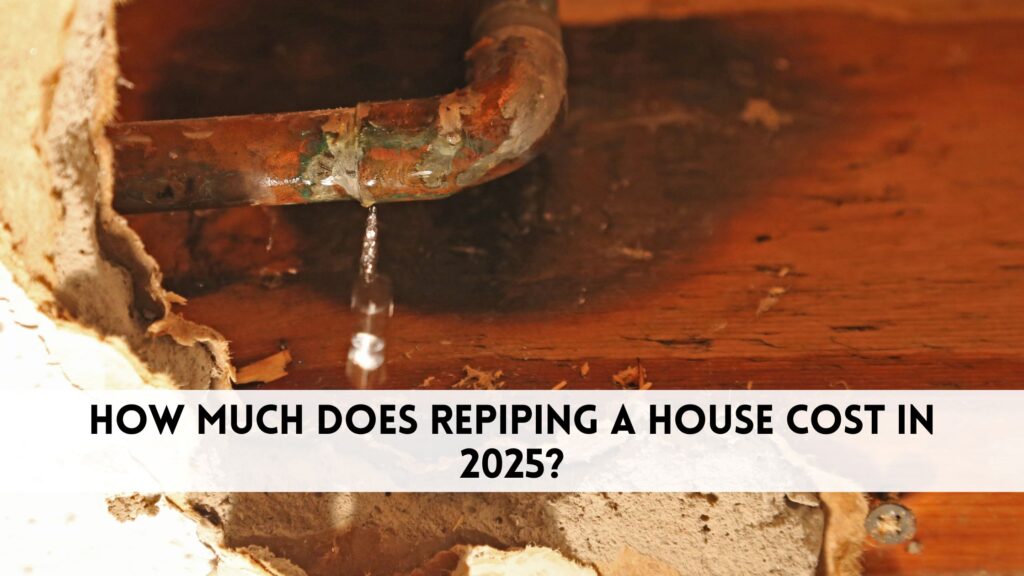
Most homeowners pay somewhere between $4,000 and $15,000 for a whole-home repipe in 2026, and larger or harder-to-access homes can run beyond that. National averages tell you very little, because what actually sets the price is your home: its size, its pipe material, how easy the walls and floors are to open, and what the plumber finds once they do. The EPA notes that galvanized pipe can accumulate lead where older lead components ever fed it, which is one of the reasons aging pipe systems deserve more than patch repairs. We repipe homes across Hilo and Kailua-Kona, and this is the same breakdown we walk through with owners at the kitchen table before anyone signs anything.
What a Complete Home Repiping Quote Should Include
A repipe estimate is only useful if you can see what is inside it. Before comparing numbers, confirm that each quote covers the same scope. A quote missing any of these items is one reason a bid comes in thousands below the others.
| Quote item | Why it matters |
|---|---|
| Full fixture count (sinks, showers, tubs, toilets, hose bibs, water heater connections, appliance lines) | Confirms exactly what is being replaced; omitted fixtures mean surprise add-ons later |
| Pipe material and brand being installed, not just the word “repipe” | PEX and copper carry very different costs and performance profiles for island water |
| Permit and inspection, pulled by the contractor | Required by county law; if the plumber does not pull it, you are responsible |
| Wall and ceiling openings and who patches them afterward | Finish repair is often where quotes diverge most |
| Reconnection of the water heater, filtration equipment, and new shutoff valves | These are part of the job, not billable extras |
| Written warranty on both materials and workmanship | Protects you if a fitting fails after the walls close |
The Six Factors That Drive Home Repiping Cost
Size and Fixture Count
A two-bathroom home needs far less pipe and labor than a five-bathroom home, so fixture count moves the price more than square footage alone. Every additional sink, hose bib, and appliance line adds both material and time.
Pipe Material: PEX vs. Copper
PEX, or cross-linked polyethylene, is a flexible plastic pipe that costs meaningfully less than copper, installs faster, and handles the slightly acidic water common in many Big Island homes well. Copper is an excellent and time-tested pipe material, but between raw material prices and the additional labor required for soldered fittings, it can push the total up sharply.
We frequently find pinhole leaks in copper systems served by catchment or other low-pH water. A pinhole leak is a small breach that forms when pipe walls thin from corrosion caused by acidic or high-mineral water. On island properties, copper in contact with aggressive water develops these faster than mainland systems typically do. Both materials meet code when properly installed to the standards published by IAPMO in the Uniform Plumbing Code.
Access: Crawl Space vs. Slab
Many older Big Island homes sit on post-and-pier foundations with generous crawl space underneath, which makes running new lines simpler and less expensive. Homes on a concrete slab are the opposite: the old lines are buried beneath the foundation, so a repipe typically means rerouting new lines overhead through walls and the attic, which adds labor. A slab leak is a leak in pipes that run beneath a concrete foundation. If you have been chasing slab leaks, rerouting the lines overhead during a repipe is often the permanent fix rather than a repeated cycle of slab excavations.
Wall Construction and Finish Repair
Single-wall construction, which is common across the Big Island, opens and closes relatively cheaply. Homes with drywall, tile backsplash, or plaster walls cost more to restore after the pipe runs are complete, and that difference shows up in quotes.
Permits and Inspections
Repiping requires a county plumbing permit and a final inspection, and the work must be performed by a licensed contractor. The Uniform Plumbing Code, or UPC, is the model plumbing code published by IAPMO and adopted by Hawaii counties, and all new piping must meet its standards. A contractor who asks you to pull your own permit is a contractor whose work you should be cautious about.
Surprises Once the Walls Open
Older homes sometimes reveal corroded galvanized steel, undersized branch lines, or past handyman repairs that must be corrected before the job can pass inspection. Galvanized steel pipe is steel pipe coated with zinc to resist corrosion. Over time the zinc coating deteriorates, rust builds up inside the pipe, water pressure drops, and leaks develop, often at the fittings first. Any galvanized pipe found during a repipe almost always needs to come out rather than be left in place, and that discovery mid-job adds scope. A good contractor answers this question specifically before starting: what happens to the price if we open a wall and find galvanized pipe or past code violations?
A Friday Night Emergency in Hilo, Resolved the Same Evening
Nobody schedules a repipe for fun. The conversation usually starts with a leak, and often an urgent one.
Patti Christian Pinn and her husband came home on a Friday to a serious water leak in their yard and began calling for emergency help. The first company they reached told them they could come out on Monday. That is a long weekend to sit with water surfacing in your yard.
Our team told them we could be there that night, within an hour or two. As Patti wrote, “They arrived quicker than anticipated and solved our problem same evening.” Steve and Dayton diagnosed the failed line and repaired it on the spot, taking away the stress that had been building since they discovered the problem. Read Patti’s full Google review.
That repair was the right first move in an emergency. The bigger question comes afterward. If a home keeps producing leaks, each one brings a repair bill, a water bill spike, and a round of damage, and at some point you are paying for the repipe anyway, one leak at a time. Recurring pinhole leaks, aging galvanized steel, and any new leak that follows an earlier repair within a year or two are the classic signs that patching has stopped making financial sense. Our leak detection work can determine whether you are looking at a one-time failure or a system at the end of its life, and our emergency plumbing crew handles the urgent calls around the clock.
Timeline and Disruption: What Living Through a Repipe Looks Like
A typical whole-home repipe takes two to five days. Water is available most evenings because we run the new system alongside the old one and shut off water only in stretches during the workday. Expect open walls for the first days, a pressure test and inspection near the end, and patching after that. It is a loud few days, not a homeless few days, and a good crew leaves the house livable every night. Plan around one real inconvenience: a stretch of hours without water on changeover day.
One more piece of honest math while the walls are open. If your water heater, shutoff valves, or hose bibs are near the end of their service life, replacing them during the repipe costs far less than handling each one as a separate visit later. The access work is already done and the water is already off. We raise this not to pad an invoice but because bundling work while the house is open is one of the few genuine discounts in plumbing.
Before you accept any repiping quote, ask this question directly: what happens to the price if you open the wall and find galvanized pipe, corrosion, or code problems? A plumber who has repiped homes across the Big Island will answer specifically, because they have seen what island homes hide.
All Aloha Plumbing is licensed, insured, and bonded, and we put every scope item in writing before work starts. If your home keeps springing leaks and you want a straight answer on repair versus repipe, reach out and book a visit and we will give you the honest math.
Frequently Asked Questions About Home Repiping Cost
How long does a whole-home repipe take?
Most homes take two to five days, with water available in the evenings because the new system runs alongside the old one during the work. The exact timeline depends on the home’s size, how many fixtures are included, what wall repair is required, and what the plumber finds once the walls open. Large homes or properties needing extensive finish repairs after the pipes are run can take longer. Homes on a concrete slab that require overhead rerouting through walls and the attic typically take more time than homes with crawl-space access. A realistic timeline should be part of the quote conversation before the job starts.
Is PEX or copper better for a repipe on the Big Island?
Both meet code when properly installed to Uniform Plumbing Code standards, and the right choice depends on your home’s water chemistry, your budget, and how long you plan to stay. PEX costs meaningfully less than copper in both material and labor, resists the slightly acidic water common in many Big Island catchment and well systems, and is flexible enough to run through tighter spaces. Copper is a proven pipe material with a decades-long track record, though it is more susceptible to pinhole corrosion from low-pH water and carries a higher installed cost. If your existing copper system has been producing pinhole leaks, that is a strong signal that PEX may perform better over the next twenty years in your specific water conditions.
Do I need a permit to repipe a house in Hawaii?
Yes. A county plumbing permit and a passing inspection are required for any whole-home repipe, and the work must be performed by a licensed contractor. The new piping must meet Uniform Plumbing Code standards as adopted by the county. A plumber who asks you to pull your own permit or suggests skipping the inspection is one whose work you should evaluate carefully, because an uninspected repipe can create problems when you sell the home. All Aloha Plumbing pulls permits on every repiping job as part of the scope.
Will repiping damage my walls?
Wall openings are unavoidable, but they are planned and limited, and a complete quote specifies who patches them and to what standard. Single-wall construction, which is common across the Big Island, usually needs far less repair than drywall homes because the material is simpler to cut, patch, and repaint. Homes with tile backsplash, plaster, or other finish materials in the path of pipe runs cost more to restore. The difference in finish repair is one of the most common reasons quotes from different contractors vary significantly for the same job.
Does homeowners insurance cover repiping?
Policies typically cover sudden water damage caused by a burst pipe, such as the cost to dry out floors or replace damaged materials, but they do not cover the planned replacement of aging pipes. The repipe itself is treated as a maintenance or capital expense, not an insurable event. Some policies have sub-limits on water damage claims or exclude certain pipe materials, so it is worth reviewing your policy before you are deciding under pressure. If your home has a history of leak-related claims, your insurer may also ask about the age and condition of the plumbing as part of renewal.
Key Takeaways
- Whole-home repiping on the Big Island typically costs between $4,000 and $15,000 in 2026, with price driven by fixture count, pipe material, foundation type, and what the walls reveal once opened.
- PEX is a flexible plastic pipe that costs less than copper to install and tolerates the slightly acidic water common in Big Island catchment systems. Copper performs well but carries higher material and labor costs and is more prone to pinhole corrosion in low-pH water.
- Galvanized steel pipe corrodes from the inside and restricts water pressure, and the EPA notes it can accumulate lead where older lead components ever fed it. Any galvanized pipe found during a repipe should be replaced, not left in place.
- Homes on concrete slabs require overhead rerouting when the buried lines are replaced, which adds labor and often makes a repipe the permanent solution for recurring slab leaks.
- County plumbing permits and inspections are required for all repiping work in Hawaii, and the IAPMO Uniform Plumbing Code sets the standard all new piping must meet. A contractor who avoids permits is a contractor to avoid.
- Recurring pinhole leaks, a second leak following an earlier repair within a year, or visible galvanized pipe are the clearest signals that patching has stopped making financial sense.
- Replacing an aging water heater or shutoff valves during a repipe costs far less than a separate visit later because the access work is already done.
- All Aloha Plumbing is licensed, insured, and bonded (License CT-36812). Book a visit for an honest repair versus repipe assessment with every scope item in writing before work starts.
Citations and References
- U.S. Environmental Protection Agency, Basic Information About Lead in Drinking Water: epa.gov lead in drinking water
- International Association of Plumbing and Mechanical Officials (IAPMO), 2024 Uniform Plumbing Code: epubs.iapmo.org 2024 UPC