Oahu
Understanding the Importance of Backflow Prevention for Clean Water in Aiea
 24/7 Emergency Plumbing Services
 Proudly Serving Oahu • Maui • Big Island
 Licensed, Insured & Backed By Aloha
 Same-Day Service
Honest Pricing
Quality Work
100% Satisfaction Guarantee
Oahu
Clean drinking water is something most Aiea residents expect without a second thought, until something goes wrong. At All Aloha Plumbing, we have seen firsthand how aging plumbing systems, irrigation systems, and commercial equipment can quietly put local water supplies at risk. Backflow prevention functions behind the scenes to stop contamination before it ever reaches your taps.
For homeowners and business owners in Aiea, understanding backflow risks is not just about compliance; it is about protecting public health, property, and peace of mind across the community.
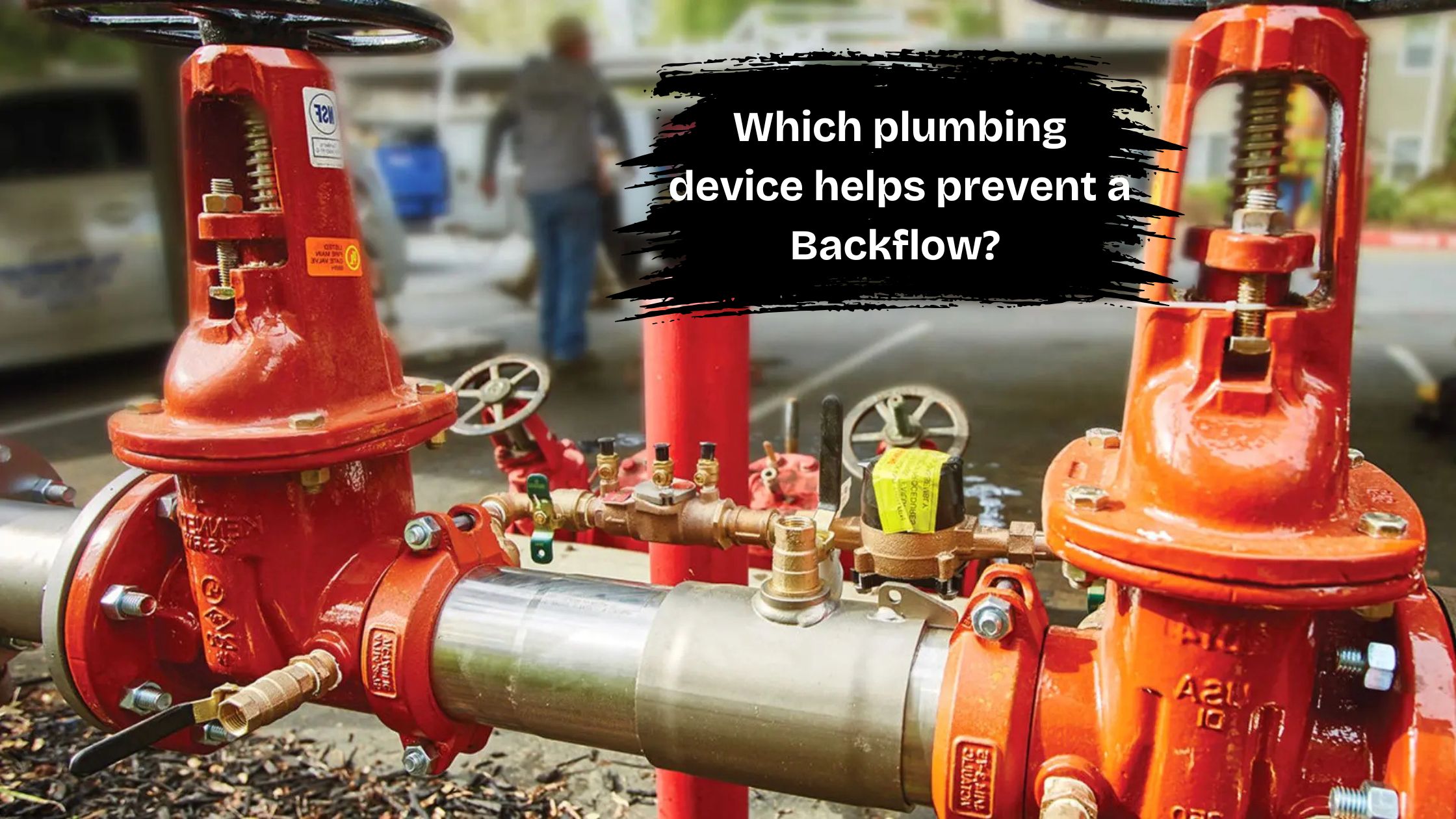
A backflow preventer is a regulated mechanical safety device installed on your plumbing system to keep contaminated water from reversing direction and entering your clean water supply. Backflow occurs when water flows the wrong way through your pipes. This reversal can happen for two main reasons:
Backpressure
When the downstream pressure exceeds the pressure in the main water supply line. In Aiea, this often happens in commercial kitchens, multi-family properties, or irrigation systems using booster pumps.
Back-siphonage
When a sudden drop in supply pressure creates negative pressure that pulls contaminated water backward. A common example is an irrigation line pulling lawn chemicals or soil debris into the drinking water system during a water main break.
Across Aiea, irrigation systems, medical offices, restaurants, and older residential properties are especially vulnerable. A properly installed residential backflow preventer prevents contaminants such as fertilizers, bacteria, pesticides, soaps, or wastewater from entering the water you drink and cook with. This device is one of the most important safeguards between your plumbing system and public health.
Backflow Prevention Testing: Why It Is Not Optional in Hawaii
Backflow contamination is a silent problem. Many homeowners don’t realize a device has failed until they notice discolored water, unusual odors, or pressure changes. That is why annual backflow prevention testing is required throughout Hawaii.
Testing ensures:
Backflow prevention is not merely recommended in Hawaii; it’s legally required under state plumbing and water safety rules. According to the Hawaii Department of Water Supply, “all backflow prevention assemblies must be installed, tested, and maintained in compliance with approved cross-connection control standards.” (Source: Hawaii Department of Water Supply Rules and Regulations)
A failed or untested device can lead to:
Only a certified backflow prevention specialist is authorized to perform testing and submit the required documentation to local authorities, which is why professional service is essential.
Trust in professional testing matters. In a verified Google review, Jean Suzuki described an urgent 2 a.m. situation where two other companies couldn’t locate an available technician. Our expert technician, Michael Smoker, arrived within the hour, correctly diagnosed the issue, and worked tenaciously until the problem was resolved. Jean noted his “skill, knowledge and dedication,” and later chose to enroll in our maintenance program.
Selecting the appropriate backflow prevention system depends on property size, water usage, hazard level, and compliance requirements. Homes, restaurants, irrigation systems, and commercial buildings in Aiea all have different risk profiles. Our team evaluates your plumbing layout, local code requirements, and exposure points to recommend a system that reliably protects your water.
There are several types of backflow preventers commonly used in Aiea:
Residential backflow preventer applications usually involve irrigation or auxiliary water connections, while businesses with chemical or waste exposure require higher-grade protection.
Improper backflow preventer installation increases the likelihood of device failure, code violations, insurance issues, and invalidated warranties. Hawaii maintains strict standards for installation height, clearance, testing access, and approved device types.
At All Aloha Plumbing Oahu, we design installations based on:
DIY installation is prohibited under Hawaii regulations due to the complexity and regulatory requirements of these systems.
Even the best devices wear down over time, especially in Hawaii’s mineral-rich water. Common causes of failure include:
Proactive service ensures continued device performance and early failure detection. When issues are found early, repairs are usually simple and cost-effective.
Transparency is key during diagnostics. Customers like H Y, who left a detailed Google review, often highlight clear explanations and honest options. H Y described how technician Kawika used camera inspection to diagnose a complex sewer issue, explained multiple solutions, and helped align repairs with a realistic budget. That same approach applies to backflow preventer repair, where clear communication and practical recommendations protect both water safety and finances.
Replacement becomes necessary when a device fails testing, becomes obsolete, or no longer meets updated code requirements. Backflow preventer replacement is a licensed professional-only process due to permitting, testing, and reporting obligations.
The replacement process typically includes system assessment, permit coordination, removal of the existing device, installation of a new certified unit, and final testing with documentation submitted to local authorities. This ensures continued compliance and long-term reliability.
Why Use a Certified Backflow Preventer
Using a certified backflow preventer ensures compliance with approved safety standards for safety and performance. Certification reduces liability, protects water systems, and provides peace of mind that the system will pass inspections without issue.
Costs vary based on:
Residential backflow preventer installations tend to fall on the lower end, while high-risk commercial RPZ assemblies cost more due to expanded protection requirements.
Long-term professional installation reduces the risk of repeated failures and costly contamination incidents.
All Aloha Plumbing is a trusted local provider serving Aiea and the surrounding Oahu communities with comprehensive plumbing expertise. Our team specializes in backflow prevention services, diagnostics, and compliance in Hawaii’s unique plumbing environment, using advanced tools for accurate, long-lasting solutions. You can learn more about our service history, team, and recognitions on our About Us page.
We also provide full plumbing services across Aiea, offer 24/7 emergency support, and flexible maintenance plans through our service agreements.
For transparent pricing, responsive service, and certified protection, call us at (808) 524-2564 or request a consultation online.
What is backflow prevention testing?
It is an annual inspection process that confirms a backflow preventer is working properly and meeting Hawaii compliance requirements.
Do residential homes in Aiea need backflow preventers?
Many homes require them for irrigation systems or auxiliary water connections, depending on risk level and local regulations.
How often should a backflow preventer be tested?
Most Hawaii municipalities require testing once per year by a certified backflow prevention specialist.
Can I replace backflow preventer myself?
No, replacement involves permits, certification, and reporting that must be handled by licensed professionals.
What happens if a backflow device fails testing?
Failed devices must be repaired or replaced promptly to avoid fines, service interruptions, or health violations.


Don't let a plumbing problem ruin your day. Our local crews are standing by across all three islands, same-day service, upfront pricing, and quality work guaranteed.

2,400+ Reviews

& Insured

Available

Satisfaction

OR

 Average response across all three islands: under 30 minutes
Licensed · Insured · Backed by Aloha