


Whole-house repiping is the process of replacing all water supply pipes in a home to restore safety, pressure, and long-term reliability. In many older Pearl City homes, aging pipes suffer from corrosion, recurring leaks, rusty water, and declining water pressure that spot repairs can no longer solve.
Understanding warning signs, typical repiping costs, material options such as PEX versus copper, local code requirements, available rebates, and professional recommendations helps homeowners make informed decisions that protect both property and water quality.
When You Need Whole-House Repiping
Whole-house repiping means replacing the entire plumbing distribution system, not just fixing one leaking section. While spot repairs can be useful in isolated situations, repeated leaks or system-wide deterioration often make partial fixes more expensive over time.
A professional inspection determines whether repiping is truly needed, and whole-house repiping specialists can confirm whether full replacement is the safer long-term option over repeated repairs.
Aging and Outdated Plumbing Pipes
Many older Pearl City homes still contain galvanized steel, early generation copper, or mixed systems from past remodels. Galvanized pipes typically last around 40–50 years before internal corrosion restricts flow and causes leaks.
Older copper systems can last longer, but aggressive water conditions and poor pressure control shorten their lifespan. Polybutylene piping, found in some mid-century homes, is now widely recognized as prone to failure and unsuitable for long-term use.
Frequent Leaks, Hidden Water Damage, and Mold Risks
Recurring leaks often signal that the pipe material itself is failing. In Hawaii’s humid climate, even small hidden leaks behind walls or beneath slabs can contribute to mold growth and structural damage.
According to the Environmental Protection Agency, “moisture control is critical for reducing indoor air quality risks in residential buildings.” (Source: EPA Brief Guide to Mold, Moisture, and Your Home) Replacing compromised piping reduces the ongoing moisture source rather than chasing individual failures.
Corrosion, Rusty Water, and Water Quality Issues
Brown or yellow water, metallic taste, or staining around fixtures often point to internal corrosion. As pipes degrade, rust and scale can enter the water supply, affecting appliances and fixtures. While municipal water quality in Pearl City meets treatment standards, deteriorating household piping can negate that quality before the water reaches your tap.
Low Water Pressure and Inconsistent Flow
Internal buildup gradually narrows pipe diameter. Homeowners notice this as weak showers, fluctuating pressure when multiple fixtures run, or slow-filling washing machines. Repiping restores proper pipe diameter and balanced flow throughout the home.
Rising Repair Costs vs. Long-Term Repipe Value
Multiple emergency calls, drywall repairs, and temporary fixes add up quickly. When repair costs start approaching a significant portion of the whole-house repiping cost, replacement becomes the safer and more economical option. Repiping is an investment that stabilizes plumbing system performance for decades.
Materials Used in Whole-House Repiping
Modern repiping focuses on materials proven to perform well under Hawaii’s conditions.
PEX (Cross-Linked Polyethylene)
PEX is flexible, corrosion-resistant, and faster to install, which often reduces labor time. It handles mineral content well and provides consistent pressure. Limitations include UV sensitivity and indoor-only use, but for most residential repipes,it is a practical, cost-effective solution.
Copper Piping
Copper remains a premium option with a lifespan often exceeding 50–70 years when properly installed. It tolerates heat well and is fully recyclable. Material and labor costs are higher, and installation typically requires more wall access, but many homeowners prefer its long-term durability.
Other Materials
CPVC and specialty piping exist, but PEX and copper dominate whole-house repiping services due to performance history and code acceptance.
Benefits of Whole-House Repiping Services
Upgrading your entire plumbing system delivers benefits that go far beyond fixing leaks.
- Improved Water Safety and Quality: New pipes eliminate rust, corrosion, and contamination that affect taste and odor.
- Consistent Water Pressure Throughout the Home: Balanced flow improves showers, sinks, and appliance performance.
- Fewer Emergency Repairs and Lower Long-Term Costs: Preventive replacement reduces unexpected failures.
- Enhanced Property Value and Marketability: Updated plumbing is a strong selling point for buyers.
- Reduced Risk of Water Damage and Mold Growth: New piping lowers the chance of hidden leaks.
- Energy Efficiency for Hot Water Systems: Efficient delivery reduces wasted water and heating demand.
- Compliance with Current Codes: Upgrades aligned with Hawaii state and Pearl City building codes and safety requirements. According to the State of Hawaii Department of the Attorney General, “The Building Code Rules are intended to provide statewide standards for construction.” (Source: State of Hawaii Building Code Rules)
Case Study: Real-World Emergency Repiping Work
In a Google review, Kathleen Arasoo described a critical water line failure in her older home that forced a full water shutdown. After multiple plumbers were unavailable, the team responded the same day to address the emergency. Technician Jaron, a licensed plumbing professional, explained the repair options clearly and replaced multiple sections of aging copper piping while addressing excessive water pressure with a new regulator.
The work involved excavation, coordination with the local water utility, and installation of new valves and gauges. Kathleen highlighted the team’s professionalism and follow-through, noting, “They even had to work in the rain… but they continued and finished everything.”
Whole House Repiping Cost in Pearl City: What to Expect
Whole-house repiping cost in Pearl City typically ranges from $8,000–$20,000, depending on home size, pipe material, and accessibility. National averages are often lower, around $4,000–$15,000, but Hawaii’s labor, permitting, and material costs are higher.
Key whole house repiping cost factors include:
- Square footage and number of bathrooms.
- PEX versus copper material selection.
- Wall, ceiling, or slab accessibility.
- Required permits and inspections.
- Drywall and surface restoration.
Professional contractors handle permitting and inspections under Hawaii plumbing codes, ensuring the system meets current safety and performance standards.
Partner with Pearl City’s Most Trusted Repiping Experts
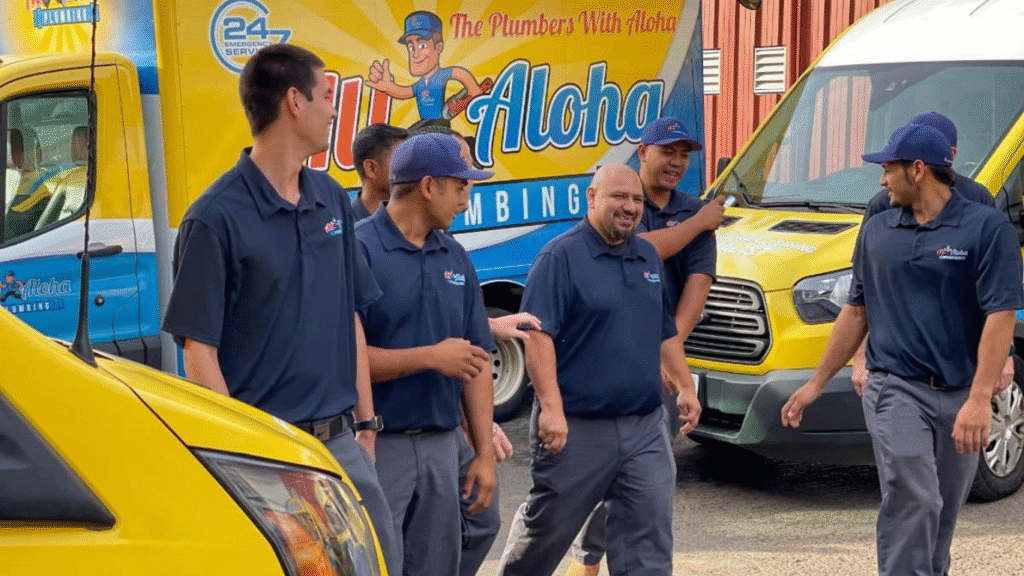
When your home needs whole-house repiping, you want a local team you can trust, especially if you are searching for a whole-house repipe near me in Pearl City and need fast, reliable help. At All Aloha Plumbing, we bring decades of licensed experience handling new construction piping, full repipes, and system upgrades across Pearl City. We understand Hawaii’s water conditions, aging infrastructure, and code requirements, and we use advanced diagnostic tools and professional-grade equipment to deliver durable results.
From custom system design to future-proofed upgrades, we focus on clear pricing, fast response times, and long-term value. Learn more about our background. Call us at (808) 201-7526 to schedule a consultation.
FAQs
How do I know if my home needs whole-house repiping?
Recurring leaks, rusty water, low pressure, or outdated pipe materials are common indicators.
How long does a whole-house repipe take?
Most projects are completed within several days, depending on the home size and access.
Is repiping disruptive?
Professionals minimize wall access and restore affected areas after installation.
Does repiping increase home value?
Yes. Updated plumbing systems improve buyer confidence and reduce inspection issues.
Is a permit required in Pearl City?
Yes. Licensed plumbers manage permits and inspections under the Hawaii plumbing codes.